MQ-2 Gas & Smoke Sensor
Complete Tutorial: Smoke Detection & Gas Leak Alarm
1. Introduction
The MQ-2 is a versatile gas sensor that can detect combustible gases and smoke. It's commonly used in DIY smoke detectors, gas leak alarms, and air quality monitors.
📦 Gases Detected
- LPG (Liquefied Petroleum Gas)
- Methane (Natural Gas)
- Propane
- Butane
- Hydrogen
- Smoke
⚠️ Safety Warning
This sensor is for educational purposes only. Do NOT use it as the sole safety device for life-critical applications. Always use certified commercial gas detectors for safety-critical installations.
2. Technical Specifications
| Parameter | Specification |
|---|---|
| Operating Voltage | 5V DC |
| Heater Current | ~150mA |
| Detection Range | 300-10000 ppm |
| Preheat Time | 20+ seconds (24-48hrs for accurate calibration) |
| Output Type | Analog (AO) + Digital (DO) |
| Digital Trigger | Adjustable via potentiometer |
How It Works
The MQ-2 uses a tin dioxide (SnO2) semiconductor that changes resistance when exposed to gases:
- Internal heater warms the sensing element
- Clean air: High resistance → Low output voltage
- Gas present: Low resistance → High output voltage
- Compare voltage to threshold for detection
⚠️ Preheat Required
The sensor needs to warm up for at least 20 seconds before readings are stable. For accurate calibration, run continuously for 24-48 hours in clean air.
3. Wiring Guide
| MQ-2 Pin | Description | Arduino | ESP32 |
|---|---|---|---|
| VCC | Power (5V) | 5V | VIN/5V |
| GND | Ground | GND | GND |
| AO | Analog Output | A0 | GPIO 34 |
| DO | Digital Output | Pin 2 | GPIO 13 |
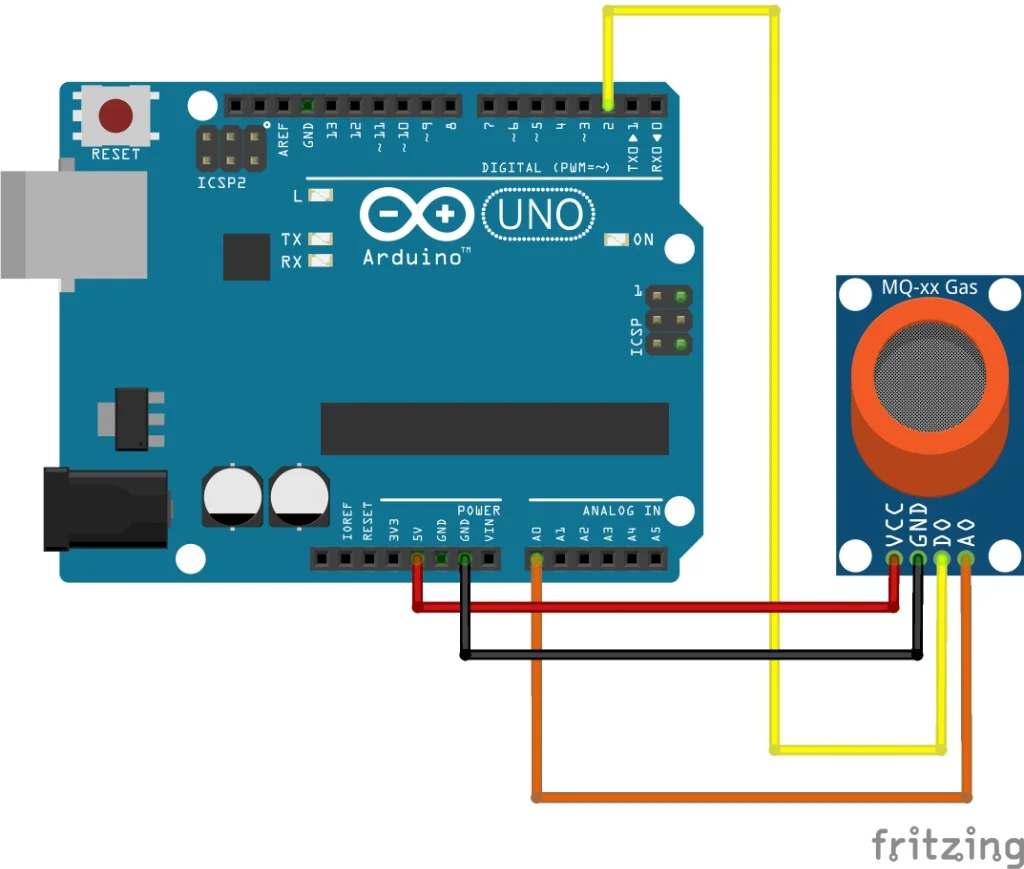
Figure 1: MQ-2 sensor wiring with Arduino
💡 Module Features
Potentiometer: Adjusts the digital output (DO) threshold
LEDs: Power indicator + alarm indicator
4. Project: Smoke & Gas Alarm
Basic Gas Detection
const int analogPin = A0;
const int digitalPin = 2;
const int buzzerPin = 8;

void setup() {
    Serial.begin(115200);
    pinMode(digitalPin, INPUT);
    pinMode(buzzerPin, OUTPUT);

    Serial.println("MQ-2 Gas Sensor");
    Serial.println("Warming up (20 seconds)...");
    delay(20000);  // Preheat time
    Serial.println("Ready!");
}

void loop() {
    int gasLevel = analogRead(analogPin);
    int alarm = digitalRead(digitalPin);

    Serial.print("Gas Level: ");
    Serial.print(gasLevel);

    if (alarm == LOW) {  // LOW = threshold exceeded
        Serial.println(" | ALARM: GAS DETECTED!");
        digitalWrite(buzzerPin, HIGH);
    } else {
        Serial.println(" | Status: Normal");
        digitalWrite(buzzerPin, LOW);
    }

    delay(500);
}
Gas Level Monitor with Categories
const int analogPin = A0;

void setup() {
    Serial.begin(115200);
    Serial.println("MQ-2 Warming up...");
    delay(20000);
    Serial.println("Ready!");
}

void loop() {
    int gasLevel = analogRead(analogPin);

    Serial.print("Gas Level: ");
    Serial.print(gasLevel);
    Serial.print(" | Status: ");

    if (gasLevel < 200) {
        Serial.println("Clean Air");
    } else if (gasLevel < 400) {
        Serial.println("Low Gas Detected");
    } else if (gasLevel < 600) {
        Serial.println("Moderate - Check Area!");
    } else {
        Serial.println("HIGH - DANGER!");
    }

    delay(1000);
}
5. Calibration Tips
- Run the sensor in clean air for 24-48 hours
- Note the baseline reading (typically 100-200)
- Set your alarm threshold above baseline + margin
- Test with a lighter (briefly release butane near sensor)
- Adjust potentiometer to set DO trigger point
6. Applications
- Smoke detection: DIY fire alarm systems
- Gas leak detection: Kitchen safety monitors
- Industrial safety: Workshop ventilation triggers
- Robotics: Hazardous environment detection
7. Troubleshooting
Always reads high value
- Allow longer preheat time
- Ensure good ventilation around sensor
Not detecting gas
- Check 5V power supply (not 3.3V)
- Verify sensor is heated (check for warmth)
8. Summary
- Detects LPG, methane, propane, butane, hydrogen, smoke
- Requires 5V and 20+ second preheat
- Analog output (AO) for gas concentration level
- Digital output (DO) for threshold alarm
- Potentiometer adjusts DO trigger threshold