What is Thermal Expansion?
Almost all materials expand when heated and contract when cooled. In structural engineering, this phenomenon can create massive forces if not accounted for with expansion joints or flexible mounts.
ΔL = α × L₀ × ΔT
Where:
- ΔL: Change in length (mm)
- α: Linear coefficient of thermal expansion (material dependent)
- L₀: Original length of the material (mm)
- ΔT: Change in temperature (°C)
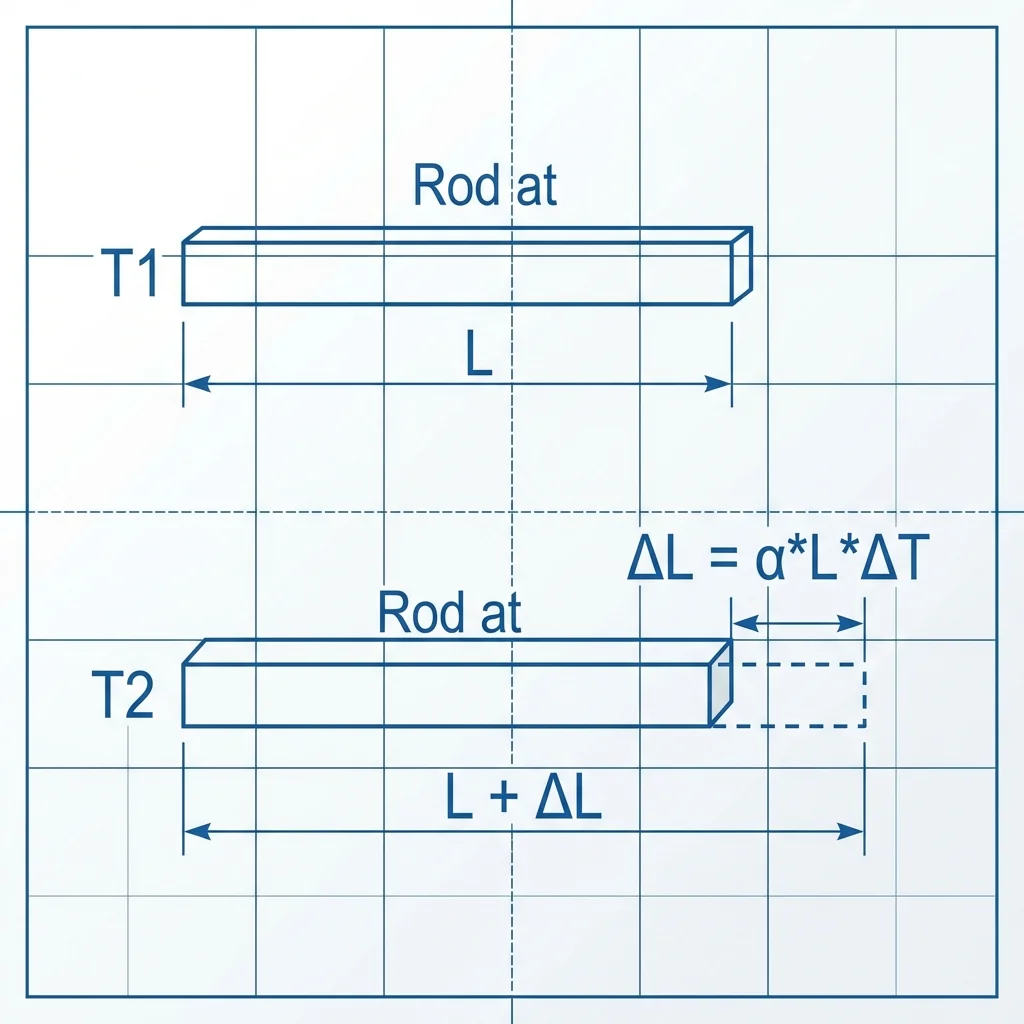
Figure 1: Comparison of material length at initial vs. final temperatures.
Linear Expansion Coefficients (α)
Material selection is key. Different materials expand at vastly different rates. For example, plastics expand much more than metals for the same temperature rise.
| Material | α (× 10⁻⁶/°C) |
|---|---|
| Diamond | 1.0 |
| Glass | 9.0 |
| Carbon Steel | 12.0 |
| Aluminum | 23.0 |
| Polyethylene | 200.0 |
Why It Matters for Makers
- 3D Printing: Bed adhesion and warping are caused by thermal contraction as the plastic cools.
- Outdoor Projects: A wooden deck or a metal fence will grow significantly in direct summer sun.
- Electronics: Heat sinks expand as they get hot; ensure they have room to move relative to the PCB.