Hydrostatic Pressure Explained
Hydrostatic pressure is the pressure exerted by a fluid at equilibrium at a given point within the fluid, due to the force of gravity. The pressure increases as you go deeper because of the cumulative weight of the fluid above.
P = ρ × g × h
Where:
- P: Hydrostatic pressure (Pascals)
- ρ (rho): Density of the fluid (kg/m³)
- g: Acceleration due to gravity (≈ 9.81 m/s²)
- h: Depth or height of the fluid column (m)
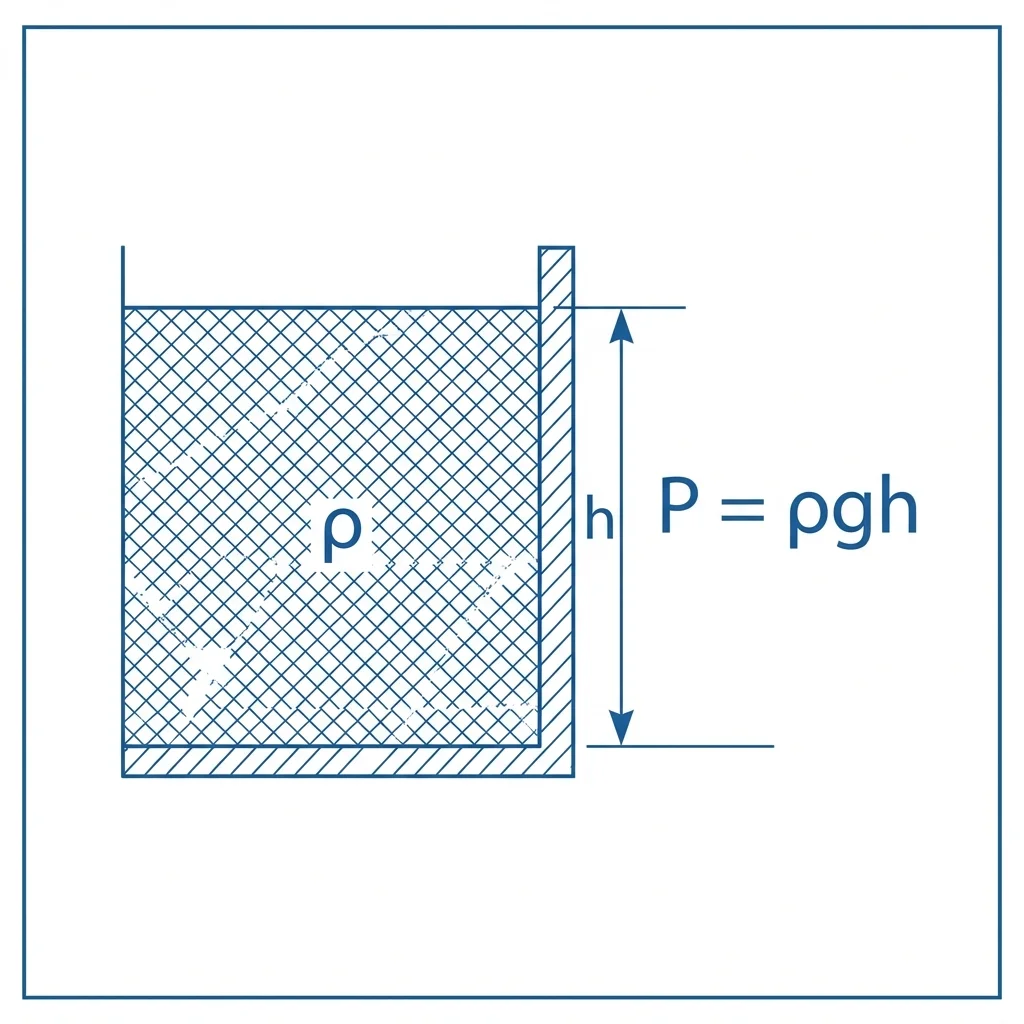
Figure 1: Pressure increases linearly with depth h.
Total Pressure vs. Gauge Pressure
This calculator provides Gauge Pressure—the pressure caused only by the fluid. If the container is open to the atmosphere, the Total Pressure is the Gauge Pressure plus Atmospheric Pressure (≈ 101,325 Pa).
Engineering Applications
- Dams and Reservoirs: Designing walls to withstand massive water pressure at the base.
- Hydraulic Systems: Calculating required pump force for lifting heavy loads.
- Scuba Diving: Understanding how pressure increases every 10 meters (approx. 1 atmosphere).