
Technical Articles
Long-form guides on components, protocols, motors, sensors, and power.
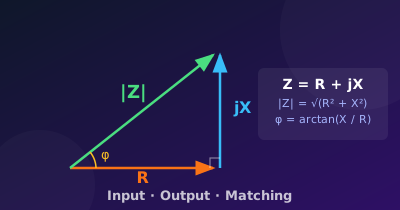
What is Impedance? Input impedance, output impedance, and why it matters
Impedance generalises resistance to AC circuits. Learn why input and output impedance are the hidden variables behind most real-world circuit problems — and how to control them.
9 min read
What is Impedance? Input impedance, output impedance, and why it matters
Impedance generalises resistance to AC circuits. Learn why input and output impedance are the hidden variables behind most real-world circuit problems — and how to control them.
Read article →
Motors & Motion
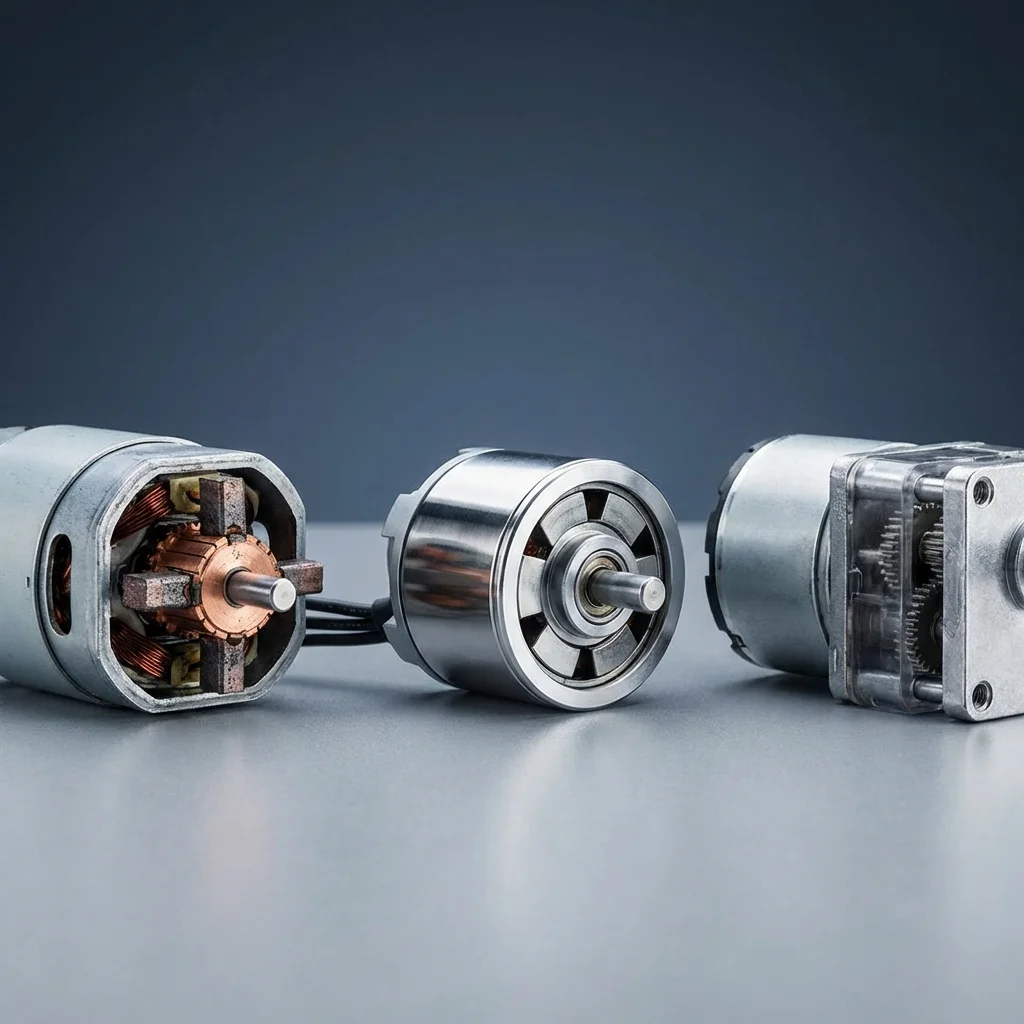
How to choose a DC motor
Brushed, brushless, and geared — torque vs speed trade-offs, and how to pick the right motor for your project.
3 min read
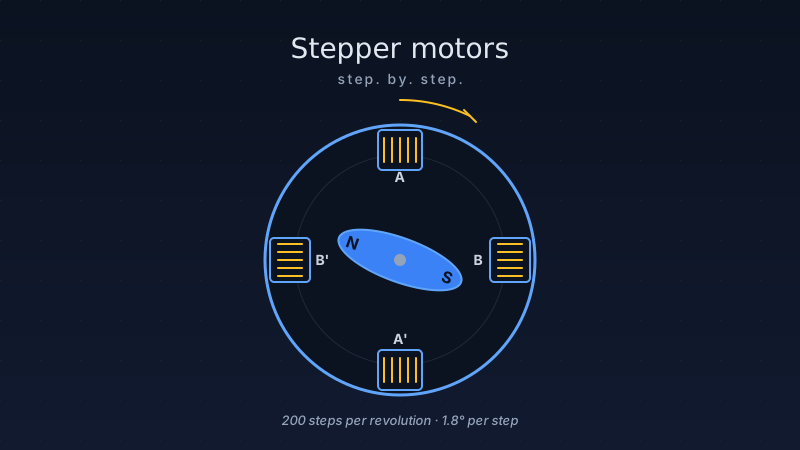
Stepper motors explained
Unipolar vs bipolar, microstepping, drivers (A4988, TMC22xx, TB6600), and how to pick a stepper for your build.
10 min read
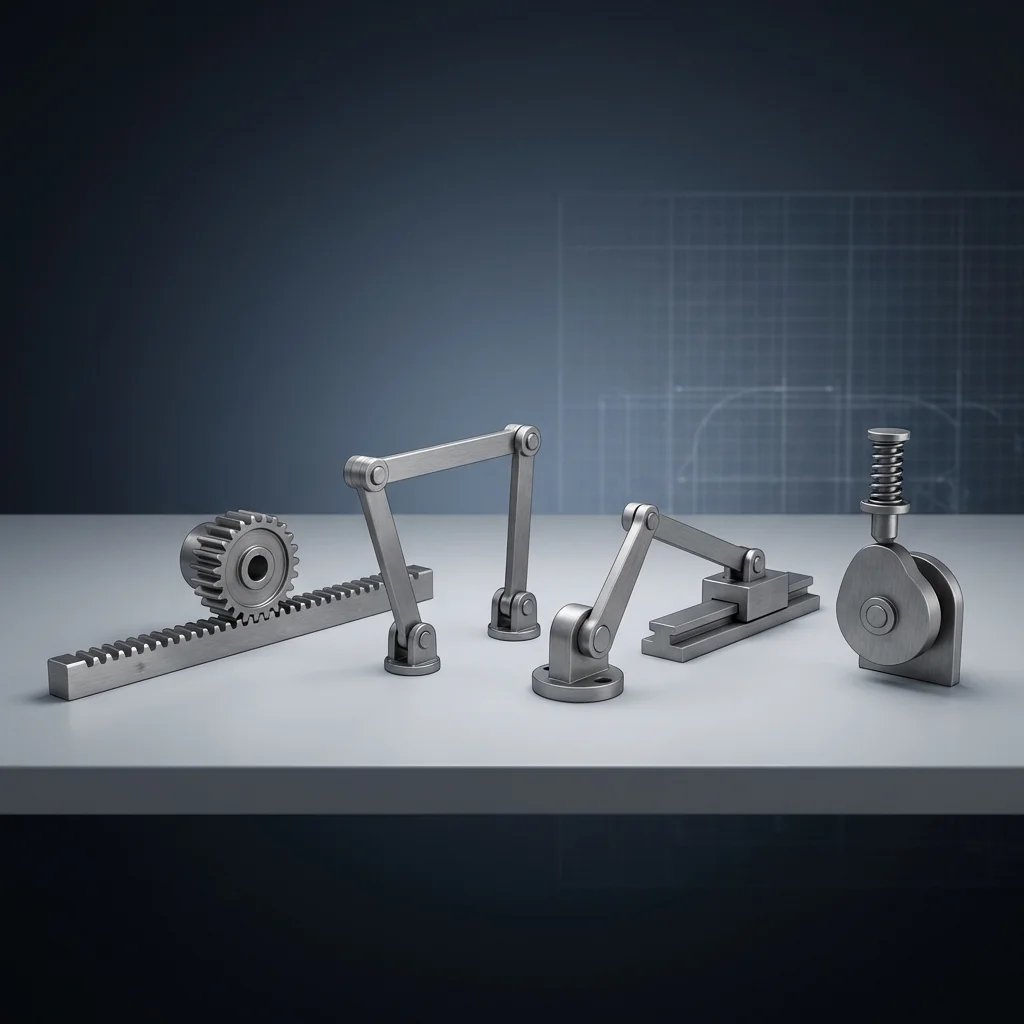
Mechanical linkages for makers
Levers, four-bars, cams, and rack-and-pinion — how to translate motor motion into the motion your project actually needs.
4 min read
Sensors

A maker's guide to distance sensors
HC-SR04 ultrasonic, Sharp IR, VL53L0X time-of-flight — measurement principles, accuracy ranges, and when to use which.
6 min read
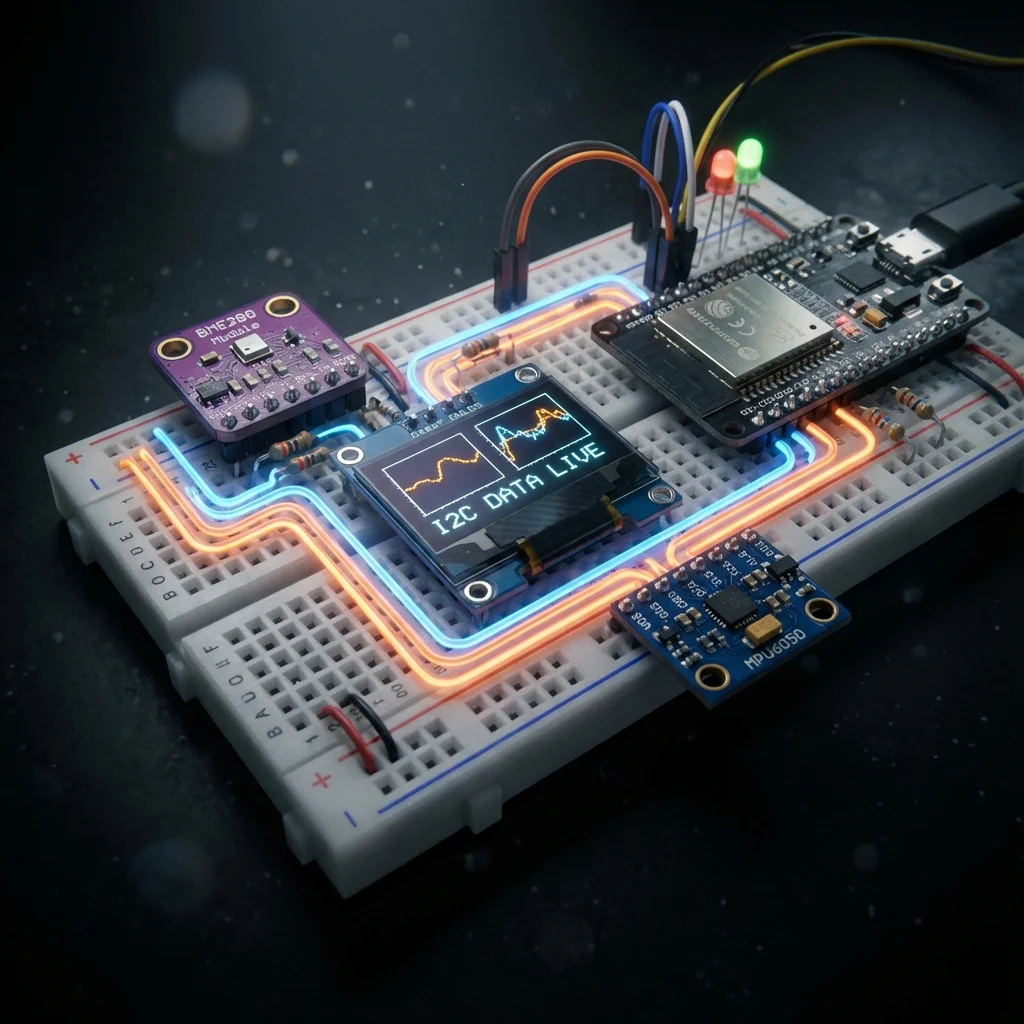
I²C sensors — the maker's primer
How the I²C bus works, why pull-ups matter, address conflicts, and a tour of common breakout boards.
2 min read
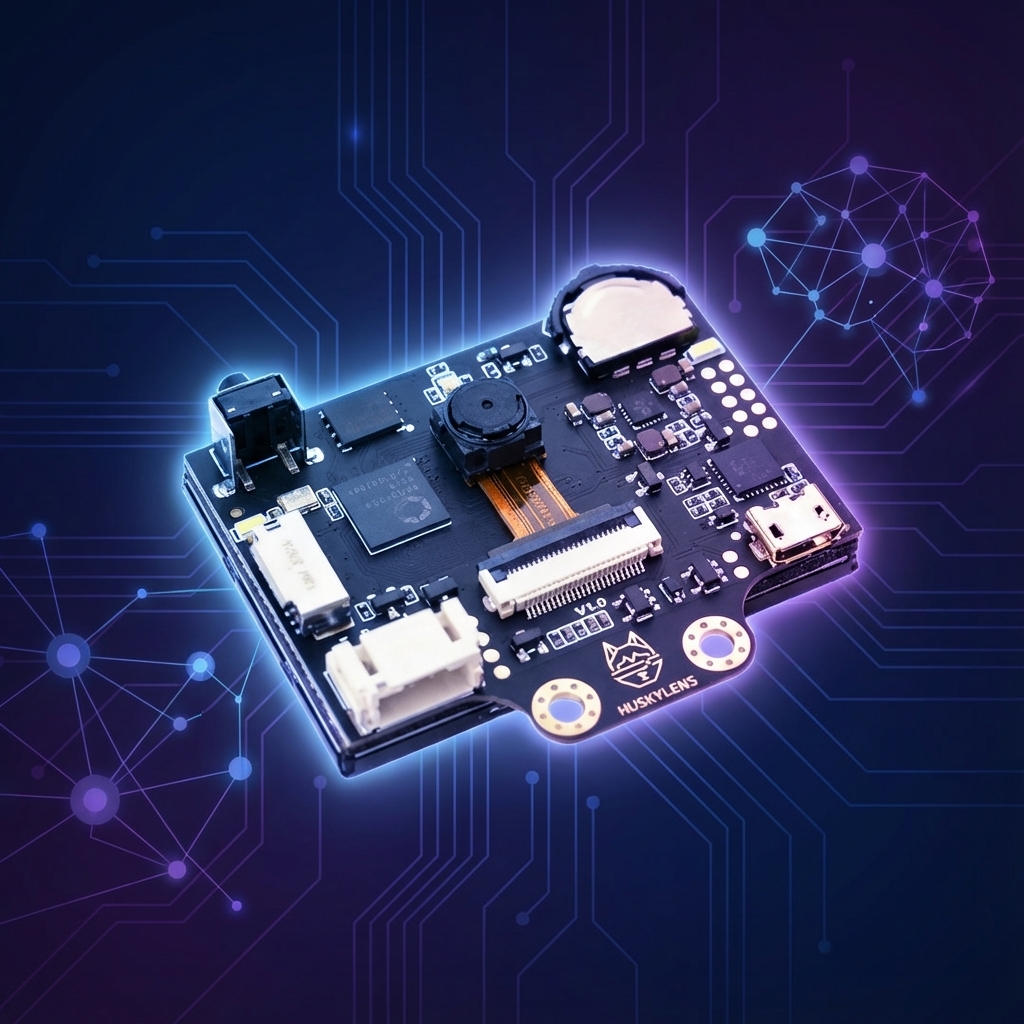
HuskyLens AI camera — getting started
On-board face/object/line tracking with the HuskyLens, plus how to pull recognised IDs into your microcontroller code.
5 min read
Microcontrollers
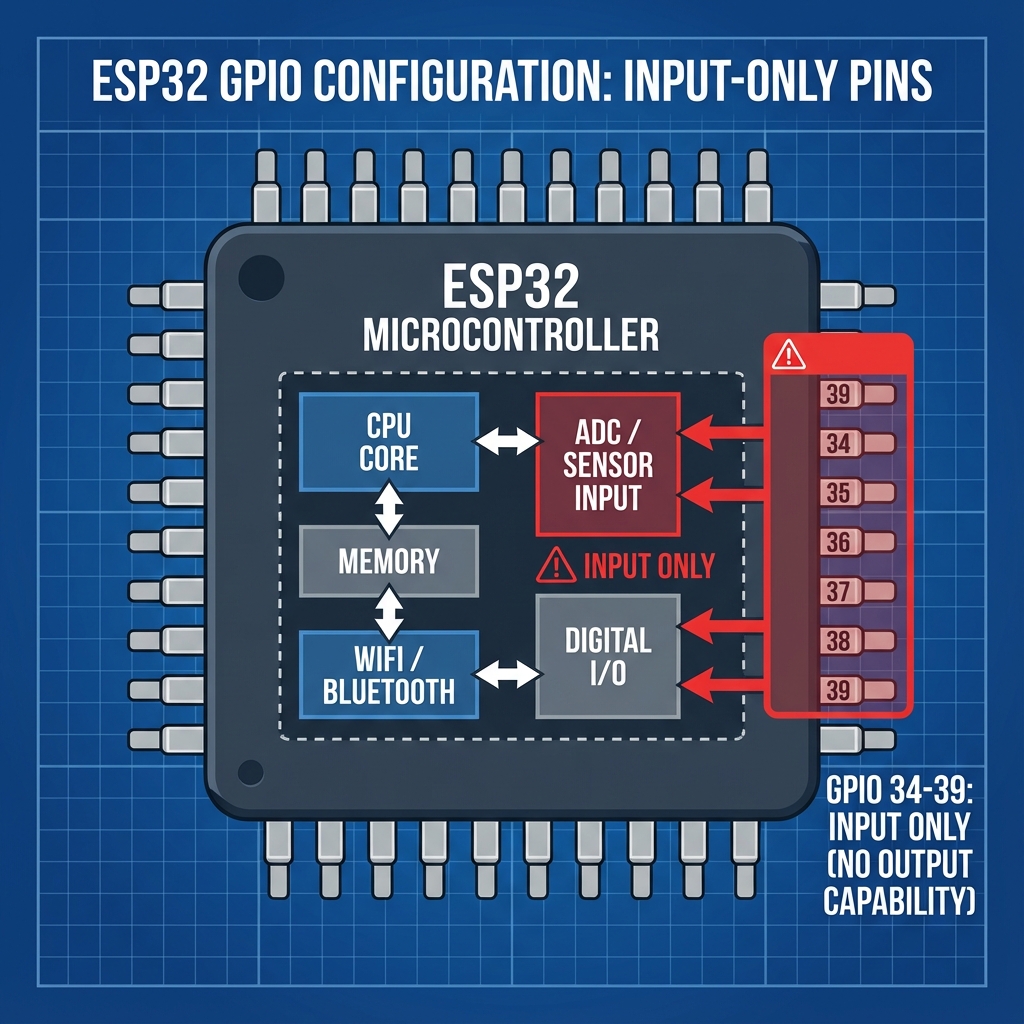
ESP32 input-only GPIOs (the strapping-pin trap)
Why GPIOs 34–39 can't drive an output, the strapping-pin gotchas at boot, and a safe pin-selection cheatsheet.
4 min read
Getting started with ESP32-S3 and MicroPython
Flash MicroPython onto an ESP32-S3, run your first REPL script in Thonny, blink an LED, and connect to WiFi.
2 min read
Components
What is Impedance? Input impedance, output impedance, and why it matters
Impedance generalises resistance to AC circuits. Learn why input and output impedance are the hidden variables behind most real-world circuit problems — and how to control them.
9 min read
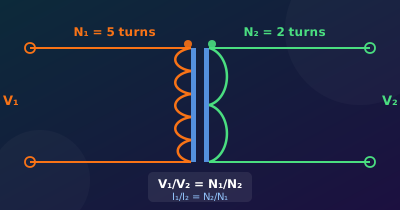
Transformers — types, applications, and what every engineer needs to know
Step-up, step-down, isolation, toroidal, current transformers, and RF types — how they work, when to use each, and the key specs to check before you specify one.
11 min read
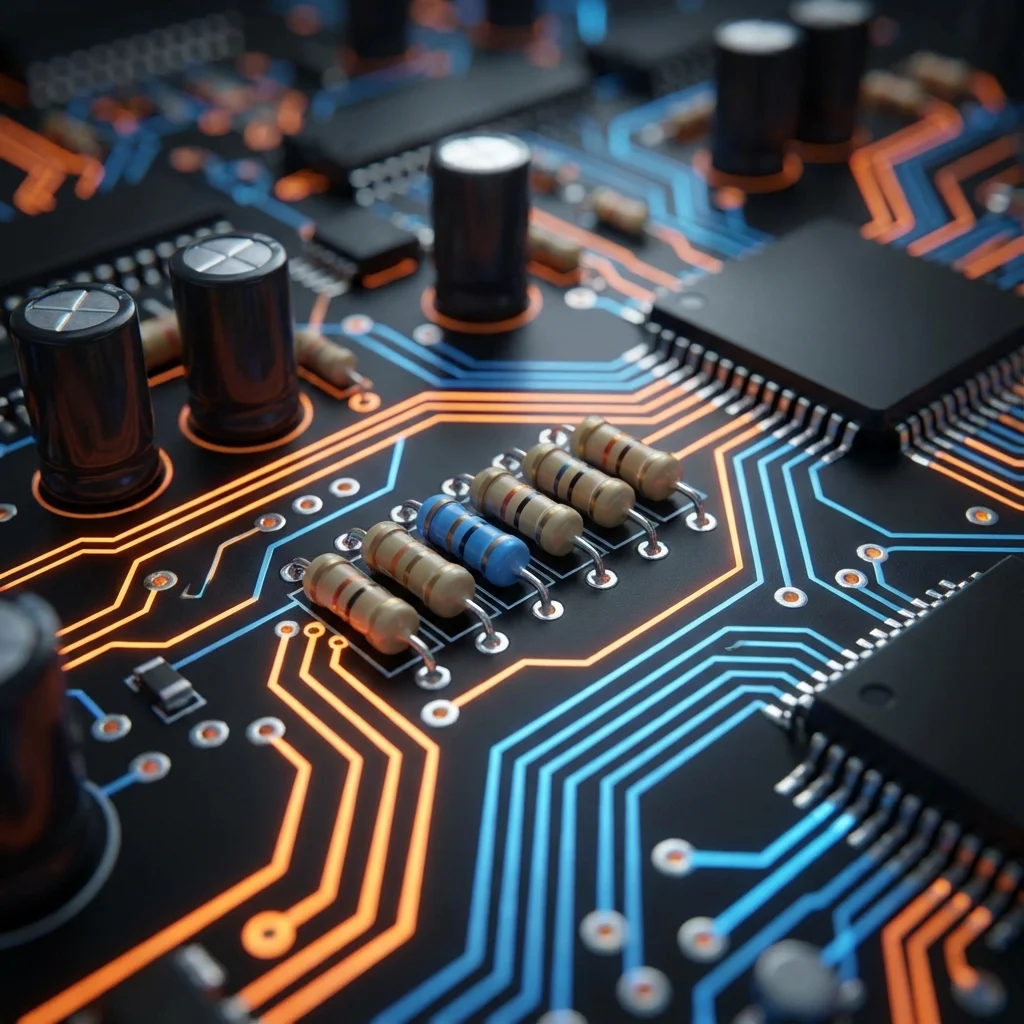
Why pull-up & pull-down resistors are critical
How pull-up and pull-down resistors keep GPIO pins at a defined logic level, when to use each, and how to choose the resistor value.
3 min read
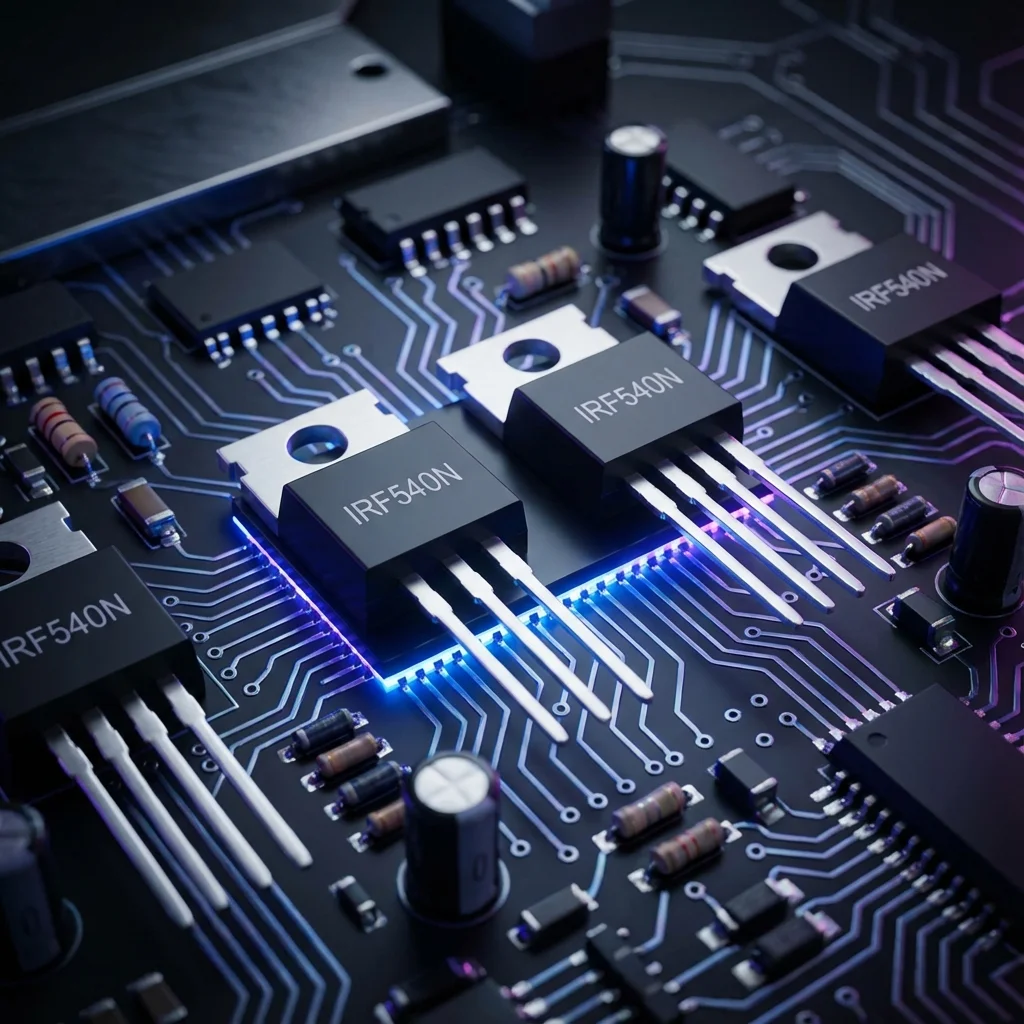
N-channel MOSFETs for makers
Logic-level vs standard MOSFETs, gate drive requirements, and how to switch high-current loads from a microcontroller.
4 min read
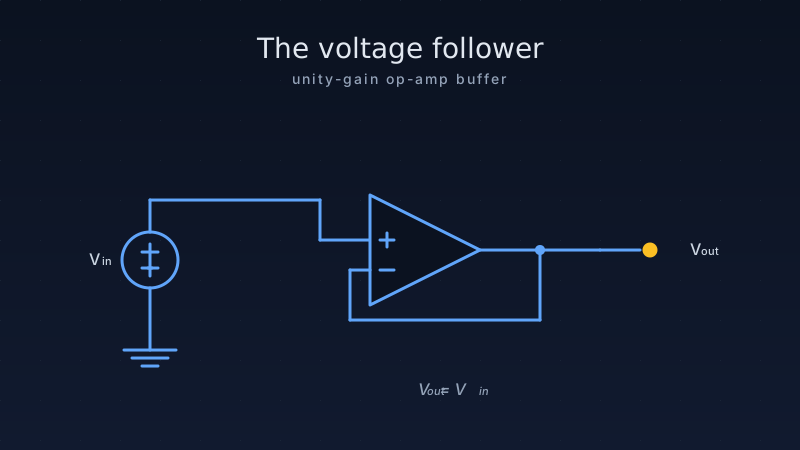
The voltage follower (op-amp buffer)
Why a unity-gain op-amp buffer is the simplest way to drive a low-impedance load from a high-impedance source.
12 min read
The 555 timer IC — why hobbyists love it and what to build with it
The 555 is the most popular IC ever made. Here's why it's still the go-to chip for hobbyist projects, how its three modes work, and ten circuits you can build this weekend.
10 min read
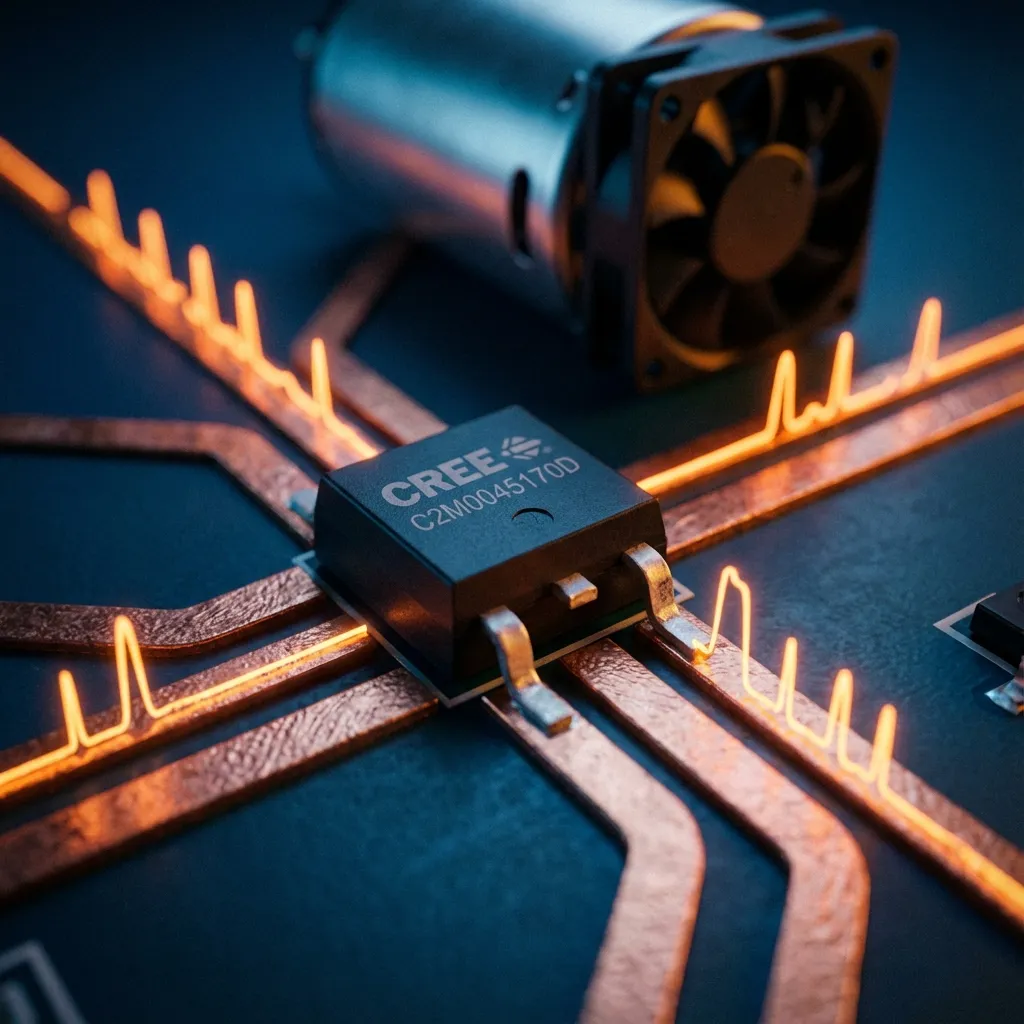
Project power: Li-Ion, LiPo & LiFePO4 batteries
Comparing the three rechargeable lithium chemistries makers reach for most: voltage, cycle life, safety, and which to pick for your project.
2 min read
Communication Protocols
PWM
Workshop & Tools
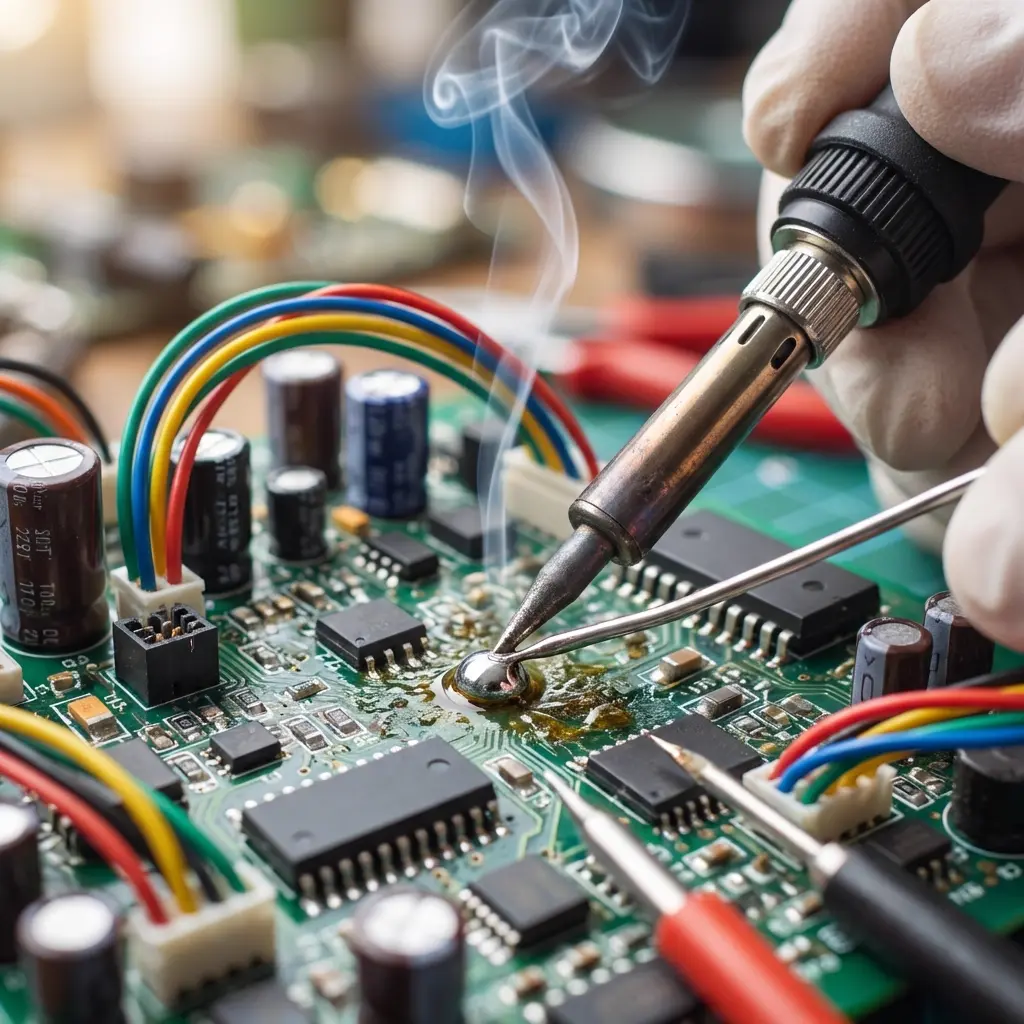
Hand-soldering best practices
Iron temperature, tip prep, flux selection, and the technique that produces shiny, reliable joints every time.
4 min read
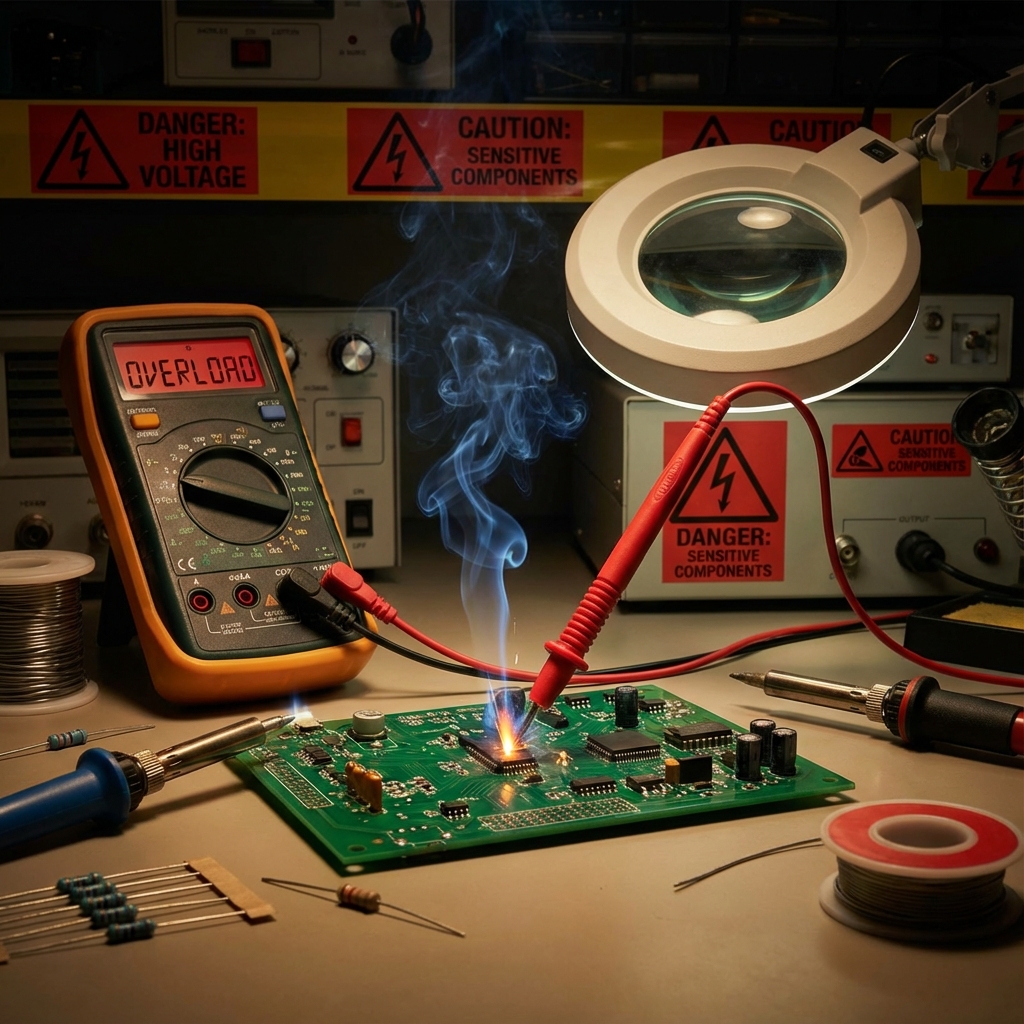
Common multimeter mistakes that damage circuits
Ten ways to get the wrong reading or blow a fuse with your multimeter, and the simple habits that prevent each one.
6 min read